Condo Vs. Townhouse In Palo Alto: Choose With Confidence
Trying to choose between a condo and a townhouse in Palo Alto? The stakes are high, and the options can feel confusing. You want the right mix of space, control, convenience, and long-term value. This guide gives you a simple way to compare ownership, HOA costs, maintenance, financing, resale, and neighborhood fit, plus a side-by-side tour checklist you can use today. Let’s dive in.
The word “townhouse” describes the physical style, not the legal structure. In California, a townhouse can be legally structured as a condominium or as fee simple with an HOA similar to a planned unit development. A condo typically means you own the interior space plus a shared interest in common areas. In a fee-simple townhouse, you own the land and the structure while still sharing certain responsibilities through recorded CC&Rs.
Most common interest developments here are governed by the Davis-Stirling Common Interest Development Act. The key documents you will review include CC&Rs, bylaws, rules and regulations, and HOA meeting minutes. These spell out maintenance duties, assessments, rental and pet policies, architectural controls, and voting rules. The legal form affects what you maintain, how the HOA operates, and how lenders and insurers treat the property.
Key takeaway: Always confirm whether a “townhouse” is legally a condo or fee simple by reviewing the recorded documents and parcel description.
HOA scope often matters more than the label on the property. In many Palo Alto condos, the HOA covers the exterior envelope, roof, landscaping, common areas, and a master insurance policy. Owners typically carry an HO-6 policy for interior finishes and personal property. Some buildings also include certain utilities and amenities in the monthly fee.
Townhouse coverage varies by project. In townhouse condominiums, the HOA may still handle roof and exterior. In fee-simple townhouse or PUD settings, the HOA might limit coverage to shared areas while leaving exterior upkeep to owners. Parking, fencing, small yards, and driveway maintenance can be assigned to owners or the HOA depending on the CC&Rs. Noise transfer is usually more noticeable in stacked condos than townhouses, but you should still test sound separation in any attached home.
A strong reserve fund and a realistic operating budget are vital. Low reserves, operating deficits, or deferred maintenance can lead to special assessments. Review the reserve study to see upcoming capital projects like roofs, exterior painting, or elevator repairs, and compare these plans to the reserve balance. Older Palo Alto buildings can face bigger exterior or mechanical system costs, so the HOA’s planning and funding approach is crucial for stability and resale.
If you see frequent assessments, lawsuits, or major deferred projects without a funding plan, that is a warning sign. Ask about the history of assessments, the reserve funding policy, and any scheduled votes related to big repairs.
Financing can differ by legal structure and project health. Some lenders require condominium projects to meet specific underwriting criteria, including owner-occupancy and financial metrics. Certain loans may need the project on an approved list. Fee-simple townhomes and PUDs tend to be treated more like single-family homes by many lenders, which can simplify approval. If a townhouse is actually a condo, expect condo project checks from your lender.
Insurance also changes by ownership type and the HOA’s master policy. Condo owners typically carry an HO-6 policy that covers interiors, personal property, liability, and often loss assessment coverage for HOA deductibles. Fee-simple townhomes may need HO-3 or HO-5 coverage similar to a single-family home. Confirm whether the master policy is bare walls-in or all-in, and note the deductible amount since it affects what your HO-6 or dwelling policy should cover.
Pro tip: Ask your insurance broker to review the master policy before you remove contingencies so you can right-size your coverage and understand gaps.
Resale performance depends on location, property condition, HOA health, and buyer preferences. Many move-up buyers like fee-simple townhomes for the private entry, garage, and more control of the exterior, which can broaden the future buyer pool. Condos appeal to downsizers and buyers who value lower maintenance and walkability. In some down cycles, condos can see tighter lending conditions, which may affect days on market. That said, well-managed condo buildings in prime locations can hold value and resell well.
Expect marketability to track proximity to major amenities like downtown corridors, Caltrain, Stanford, and key employment centers. Within a complex, units with better natural light, flexible floor plans, and secure parking tend to attract more buyers.
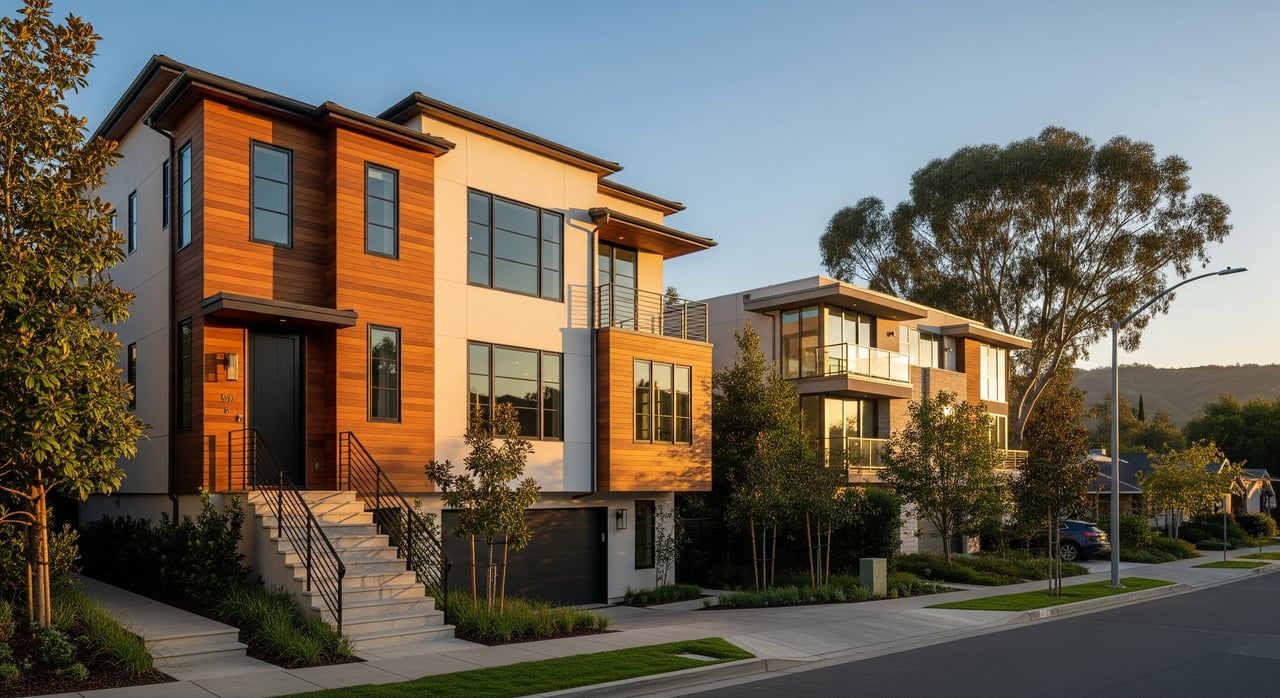
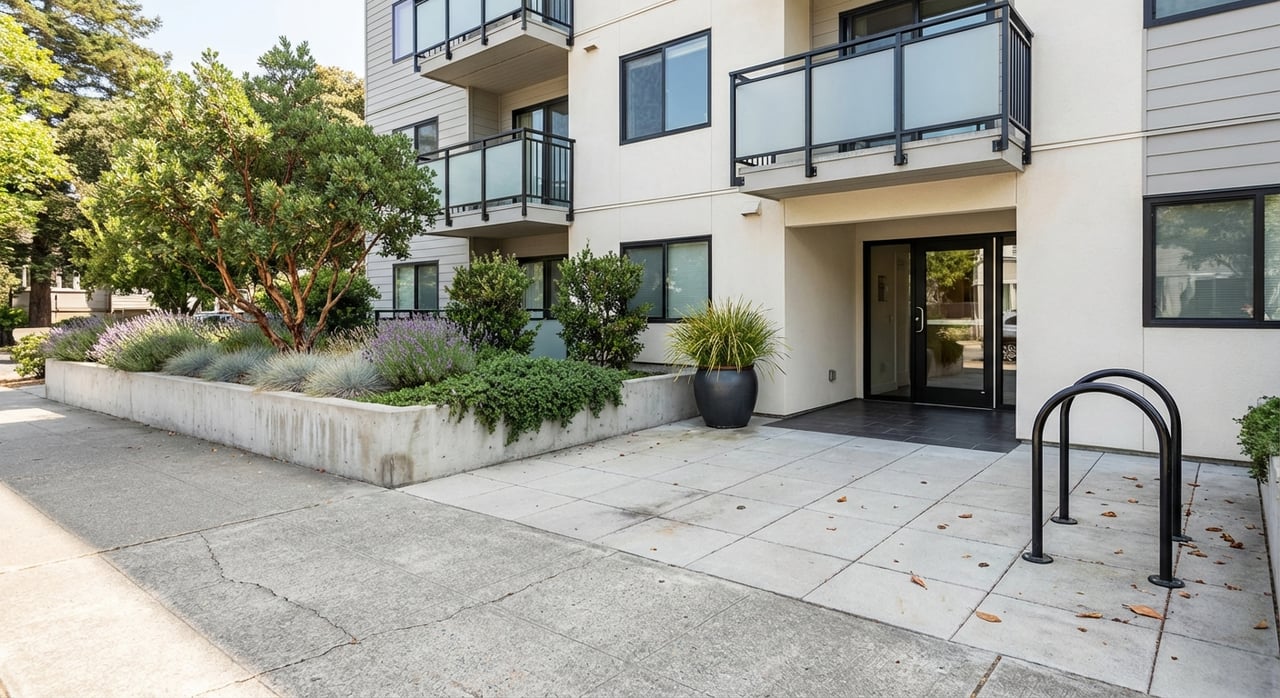
In Downtown North, Downtown South, and around California Avenue, you will find more multi-family condo buildings and mixed-use developments. These areas offer strong walkability, dining, and transit access. Buyers who want a lock-and-leave lifestyle often lean toward condos here. Trade-offs can include higher HOA dues for amenities, limited private outdoor space, and garage or assigned parking instead of private driveways.
Midtown and South Palo Alto include a blend of mid-rise condo buildings and newer townhouse communities. Many townhomes here provide multi-level layouts, private entries, and small yards or patios with the convenience of HOA-managed common areas. If you want more space than a typical downtown condo but still want access to shops and services, these neighborhoods can be a fit.
Neighborhoods such as Old Palo Alto, Crescent Park, and Professorville are mostly single-family, with limited condo and townhouse options. When attached homes are available, they may be small infill developments. Townhouses with private garages and outdoor areas can command attention thanks to the scarcity of this product type in these areas.
Properties near Stanford, El Camino, and major commute routes often attract professionals who want quick access to work and services. Condos and townhouses here can see steady demand from buyers and renters who prioritize commute convenience. Demand can respond to employer moves or campus development, so pay close attention to HOA quality, building condition, and unit layout.
Use this simple plan to compare options fairly and avoid surprises.
If you want low maintenance, elevator access, and the ability to lock and leave, a condo in a well-managed building near downtown or transit may serve you well. If you prefer a private entry, multi-level living, and a small yard or patio, a townhouse could be the better fit. The deciding factor is often HOA scope and financial health rather than the property label. Focus on reserves, planned projects, insurance structure, and what you will personally maintain.
Match the property to your priorities. If you value walkability and minimal upkeep, lean condo. If you need more space and private outdoor areas, lean townhouse. Then confirm financing and insurance requirements so your monthly costs and coverage align with your budget and risk tolerance.
Palo Alto buyers often speak multiple languages, including English, Spanish, Mandarin, and Cantonese. Clear communication is essential when you review HOA budgets, reserve studies, and meeting minutes. Consider these steps to stay fully informed:
You do not have to decode CC&Rs, reserves, and lending rules on your own. A structured review and side-by-side tour will quickly reveal which option aligns with your lifestyle, budget, and long-term plans. If you are ready to compare real listings, get tailored advice on HOA health and financing, and tour with a checklist in hand, connect with Jimmy Lam for a bilingual, white-glove strategy backed by Coldwell Banker reach.



Whether you're searching for your dream home in Louisville or a coastal retreat in Tampa, I’ll provide dedicated support and local expertise to ensure a seamless experience.
Jimmy Lam | CA DRE# 01922199
1435 Huntington Ave Ste 300 South San Francisco CA 94080