What It’s Like To Live In San Carlos
Curious what everyday life feels like in San Carlos? If you want a friendly, small‑town vibe with an easy Peninsula commute, this city often checks the boxes. You get a walkable main street, neighborhood parks, and regular community events without giving up access to major job centers. In this guide, you’ll learn how San Carlos lives day to day, what housing looks like, and the commute options that keep you connected. Let’s dive in.
San Carlos sits between Belmont and Redwood City in central San Mateo County. It is largely residential with a compact, walkable downtown and suburban neighborhoods. Many residents are professionals who commute up or down the Peninsula, along with families who value local parks and schools. The city’s identity blends small‑town civic life with big‑city access.
The heart of town is Laurel Street, a welcoming main street lined with cafés, eateries, boutiques, and services. The San Carlos Airport and the Hiller Aviation Museum are local landmarks that add character and occasional aircraft buzz to the soundscape. Seasonal festivals, farmers markets, and parades help foster a close-knit feel.
Laurel Street is where you grab coffee, meet friends for brunch, or run quick errands. You’ll find a range of casual and sit‑down spots, bakeries, and local shops, plus personal services you can reach on foot. Side streets host more local businesses, and nearby centers offer additional groceries and essentials.
Within a short drive, you have multiple full‑service grocery stores and specialty markets. Pharmacies, banks, fitness studios, and everyday services are easy to reach across town or in nearby cities like Belmont and Redwood City.
San Carlos embraces community gatherings throughout the year. Expect an Art & Wine festival, holiday festivities, farmers markets, and summer concerts. Schedules change, so check the City’s calendar for current dates on the City of San Carlos website. For aviation buffs or weekend family outings, the Hiller Aviation Museum is a popular stop near the airport.
The city maintains a network of neighborhood parks with playgrounds, sports fields, and picnic areas. Community center programs and youth sports are well established, making it easy to plug into local activities. Libraries and family‑friendly classes round out the lineup.
You are a short drive from mid‑Peninsula open‑space preserves and county parks. Residents often head to nearby hills for hiking, trail running, and mountain biking. For bay views and birding, many people visit marsh preserves and shoreline paths in adjacent cities.
Major medical care is close by. Sequoia Hospital in Redwood City is a common choice for hospital services, with clinics and medical offices located in and around San Carlos. Specialty providers are available across the Peninsula.
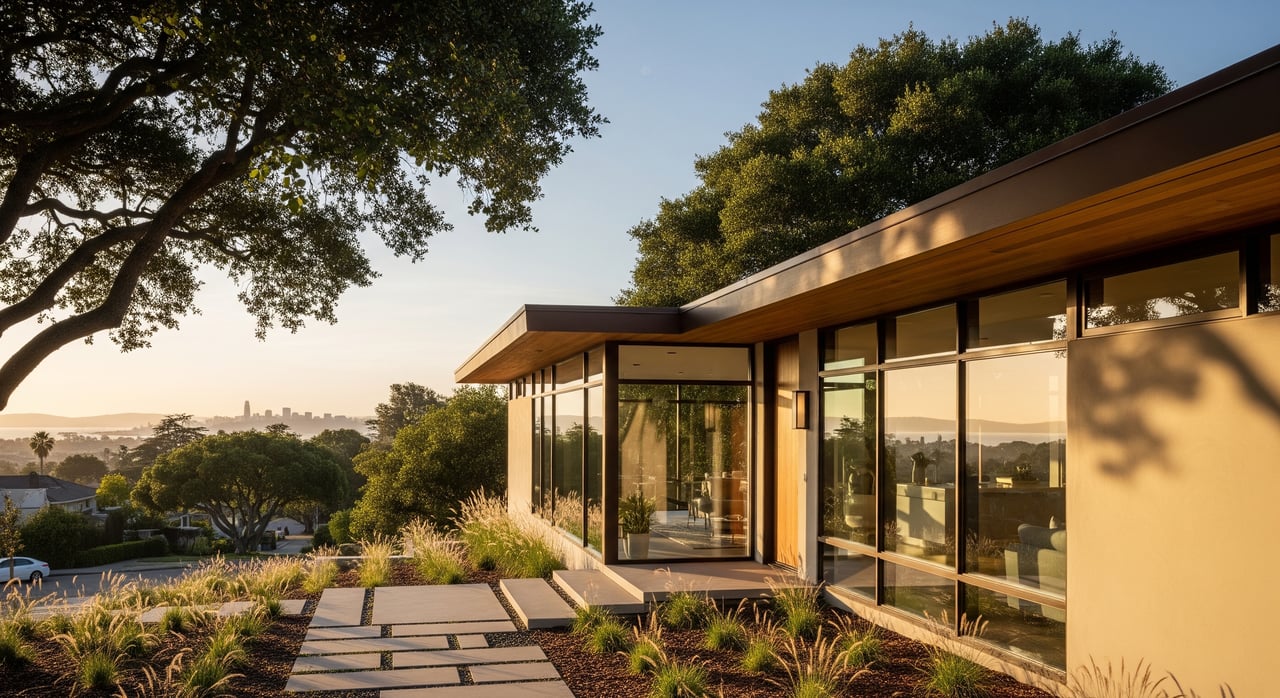
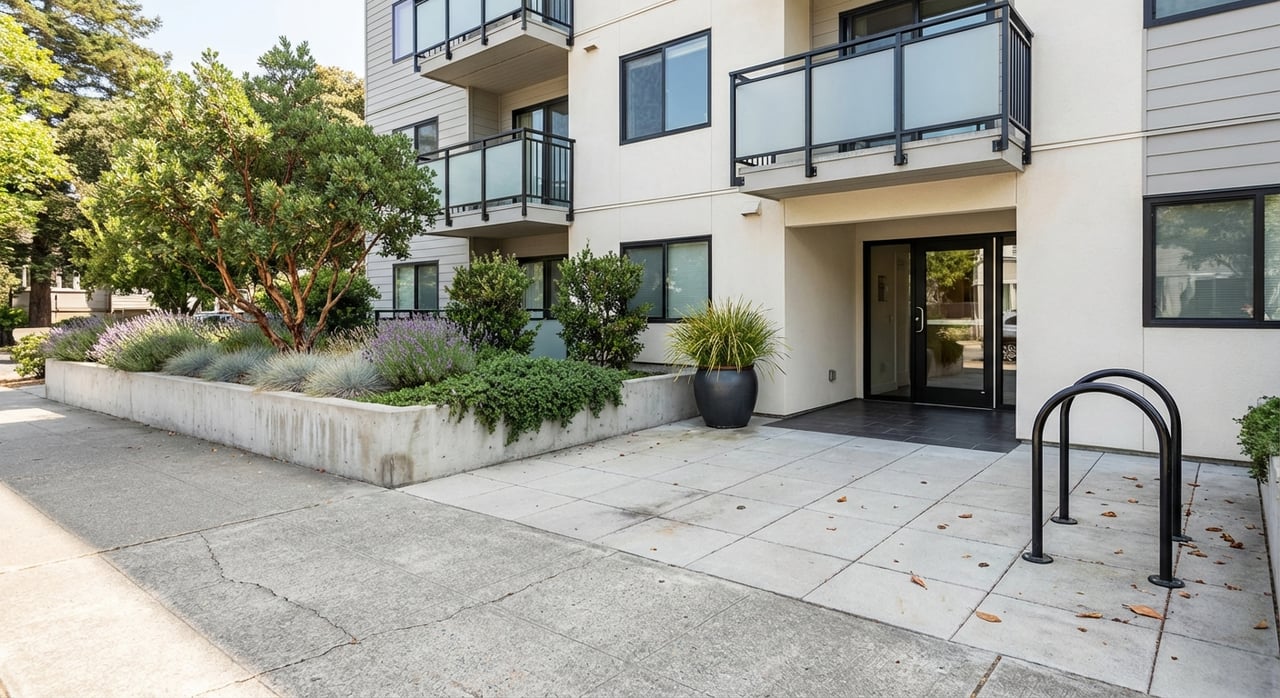
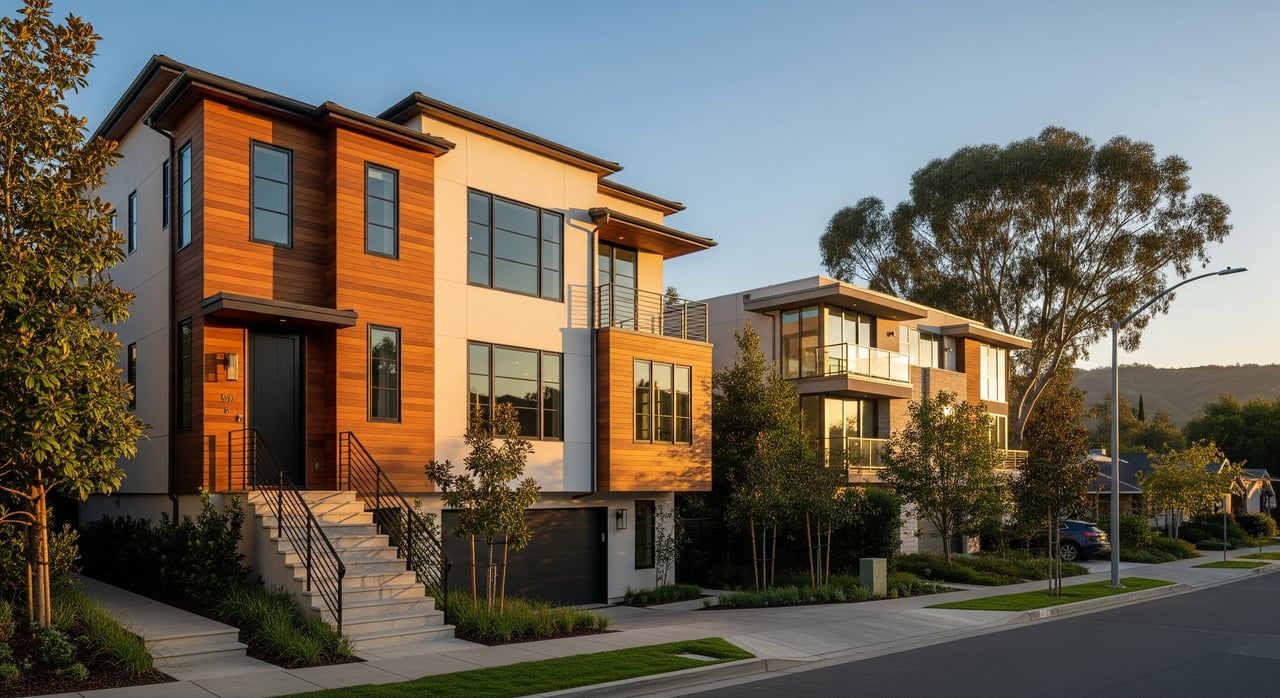
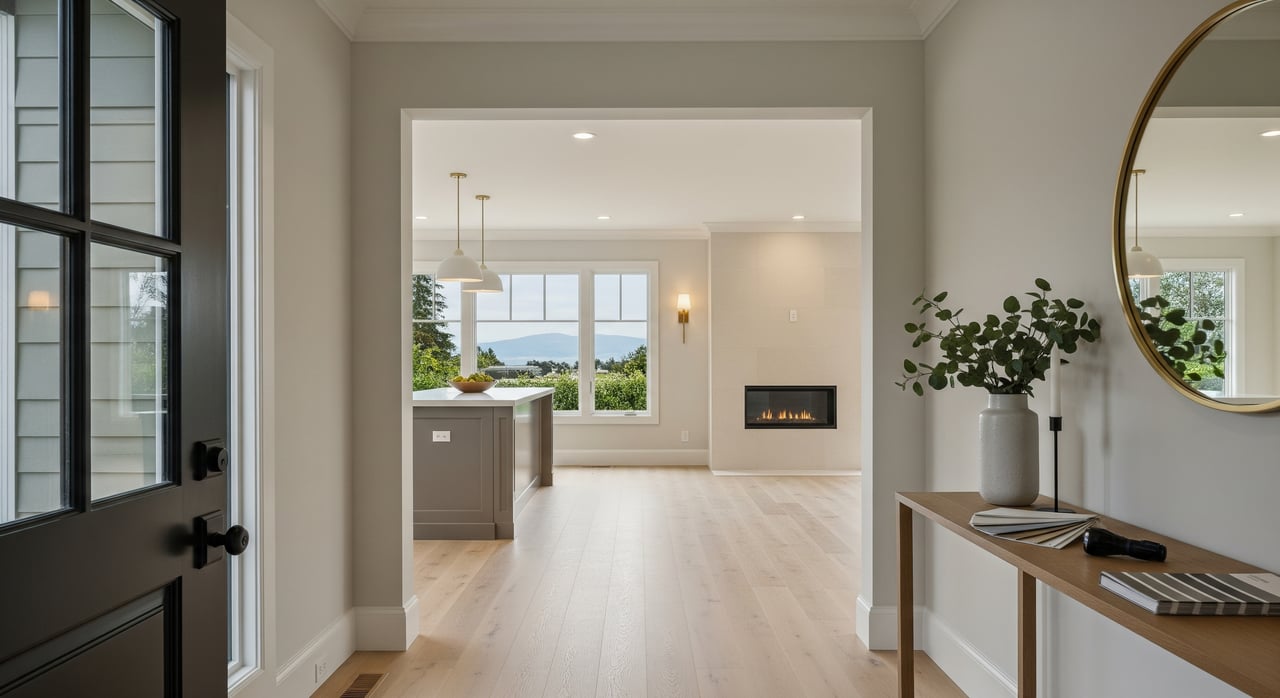
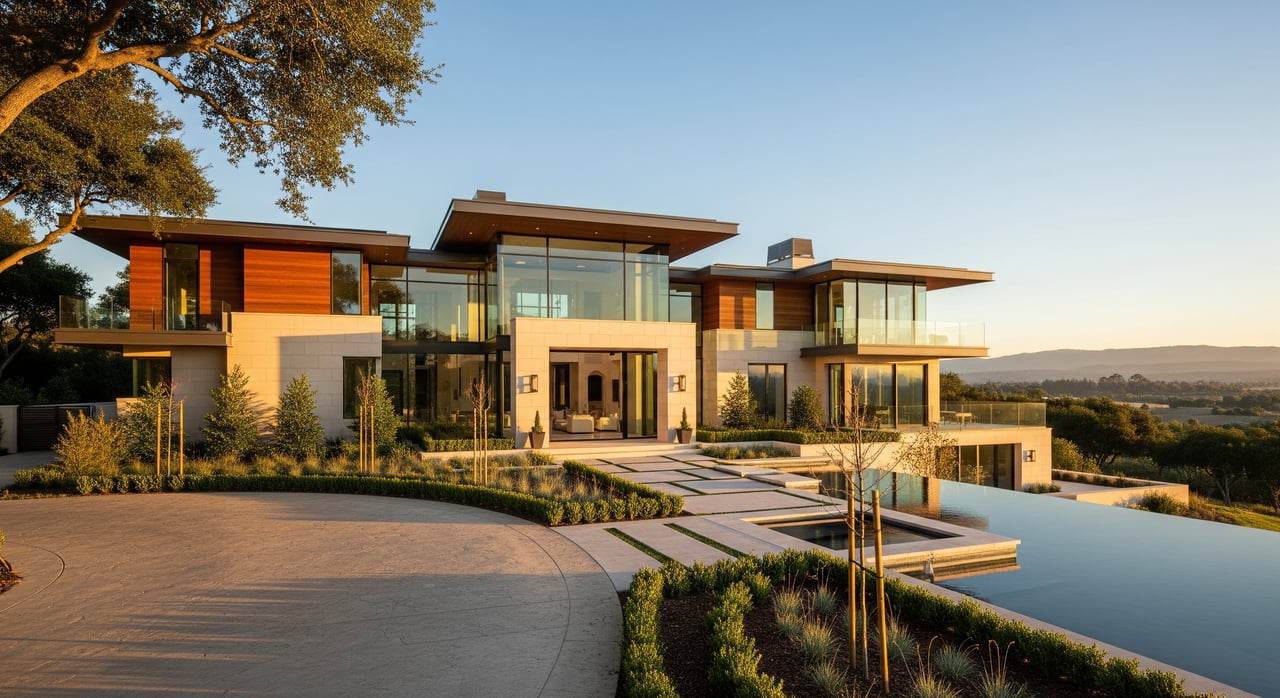
San Carlos is mostly single‑family homes on modest to medium‑sized lots. You’ll see early‑20th‑century Craftsman and bungalows, classic mid‑century houses, and newer remodels. There are also townhouse and condo options, plus occasional small‑lot infill and ADUs. Large new subdivisions are rare due to the built‑out setting.
San Carlos is an expensive market by national standards and sits among the higher‑cost communities on the Peninsula. Buyers typically prioritize neighborhood feel, yard space, and proximity to parks and downtown. If you want a private yard without managing large acreage, many areas here strike a balanced scale.
Local public schools are generally viewed favorably by residents. Younger grades are served by the local elementary and middle school district, and high school is served by a district that covers multiple Peninsula communities. Private and preschool options are available in town and nearby. Always verify current district boundaries, enrollment policies, and performance data before making decisions.
San Carlos has its own Caltrain station with service north to San Francisco and south to the South Bay. Many residents use it for work trips to San Francisco, Redwood City, and Palo Alto. Check current timetables and service levels on the official Caltrain site. SamTrans provides bus connections to nearby cities and regional transit hubs. For routes and schedules, visit SamTrans.
Access to US‑101 and I‑280 makes car commuting feasible to many employment centers. Like the broader Bay Area, traffic is heaviest during peak hours and can lengthen drive times. Many households plan around flexible schedules or mix driving with rail to keep trips manageable.
The San Carlos Airport serves general aviation. Some neighborhoods may experience more frequent aircraft noise than others. If that is a concern, spend time visiting candidate blocks at different times of day to gauge your comfort level.
If you want suburban comfort with a real main street and convenient rail access, San Carlos often checks the right boxes. If you need larger lots or want lower price points, you may compare nearby cities as part of your search.
Ready to explore homes in San Carlos or compare neighborhoods across the Peninsula? Get local guidance, bilingual support, and a smooth plan from Jimmy Lam.
Whether you're searching for your dream home in Louisville or a coastal retreat in Tampa, I’ll provide dedicated support and local expertise to ensure a seamless experience.
Jimmy Lam | CA DRE# 01922199
1435 Huntington Ave Ste 300 South San Francisco CA 94080