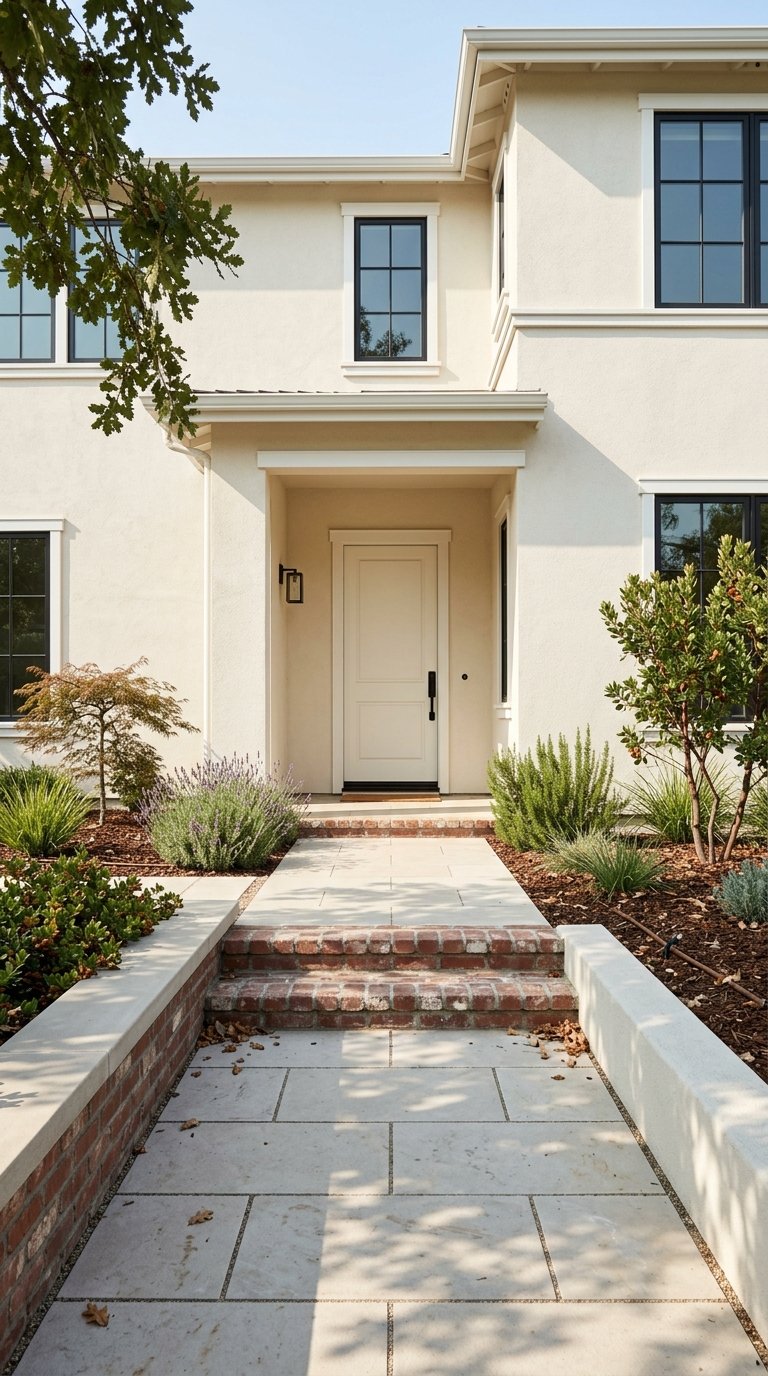
Move-Up Buying In Palo Alto: Coordinating Your Sale And Purchase
Trying to buy your next home in Palo Alto before selling your current one can feel like solving a puzzle with million-dollar pieces. You want enough certainty to move forward, but you also do not want to miss a great home or take on more risk than necessary. The good news is that with the right plan, you can coordinate both sides of the move more confidently. Let’s dive in.
Palo Alto is a market where timing can affect both your options and your stress level. In February 2026, Redfin reported a median sale price of about $3.208 million, homes selling in roughly 13 days on market, and about three offers per home on average.
Other data points tell a similar story. Realtor.com’s Palo Alto market overview showed a 102% sale-to-list ratio and a 25-day median days-on-market figure, while the City of Palo Alto’s 2025 to 2030 Consolidated Plan cited an approximate median home value of $3.4 million and median rent of $3,328 per month in 2023. Even though the datasets differ, the overall takeaway is clear: prices are high, inventory is tight, and the market tends to move quickly.
That matters for move-up buyers because you are not just buying a home. You are managing equity, financing, closing dates, moving costs, and the risk of being between homes or carrying two homes at once.
Moving up in Palo Alto does not mean one fixed price jump. The price spread within the city can be significant, with Realtor.com reporting median home prices around $2.328 million in Midtown Palo Alto and around $10.839 million in Old Palo Alto in February 2026.
That kind of range means your plan should start with real numbers, not rough guesses. Before you shop seriously, you will want to estimate your current home equity, your likely down payment, your target monthly payment, and the extra cash you may need for overlap, repairs, and closing costs.
The Consumer Financial Protection Bureau says closing costs typically run about 2% to 5% of the purchase price, not including your down payment. In a high-price market like Palo Alto, that can be a meaningful amount of cash, so planning ahead is essential.
This is usually the biggest decision in a move-up purchase. There is no one answer for everyone, but there are clear tradeoffs.
The CFPB explains that if you want to move, you normally try to sell your current home first before buying another one. This approach can reduce the risk of carrying two housing payments and gives you a clearer picture of how much equity you have available for the next purchase.
In Palo Alto, selling first can be especially helpful because your existing home may represent substantial equity. The challenge is that you may need temporary housing between closings, and local rental costs can be high, with the city reporting a 2023 median rent of $3,328 per month.
Buying first may make sense if you need more control over your move or if you do not want to feel rushed to find a replacement home. The tradeoff is that your lender will look closely at whether you can handle overlap, especially if your existing home has not sold yet.
Because Palo Alto remains competitive, buying first can help you act quickly when the right home becomes available. But it also means more financial complexity, more underwriting review, and more pressure to manage cash carefully.
If you need to buy before your current home sells, short-term financing may help close the gap. According to CFPB materials on bridge loans, a bridge loan is typically a short-term loan of 12 months or less that helps a buyer purchase a new home before selling the current one.
Bridge loans are often secured by your existing home and may help fund a down payment or provide payment relief until the old home sells. However, the CFPB also notes that bridge loans often come with higher interest rates, points, and fees than conventional mortgages.
Some homeowners also consider using home equity instead. The CFPB’s HELOC overview explains that a home equity line of credit lets you borrow repeatedly against your available equity, but it should only be considered if you understand the repayment risk and can comfortably keep up with payments.
Yes, but strategy matters. A sale contingency can be one of the safest ways to buy because it protects you if your current home does not sell in time, but in a seller-leaning market, it may be harder to get accepted.
That does not mean contingencies are a bad idea. The CFPB notes that contingencies are important buyer protections, and it specifically recommends making your purchase offer contingent on financing and a satisfactory inspection.
If you need your current sale to happen before you can close on the next home, your offer structure should reflect that reality. In some cases, the strongest path is to sell first and shop with fewer conditions. In others, your timing, financing, and overall offer terms may still make a contingent offer workable.
When two transactions depend on each other, it can be tempting to focus only on timing. But buyer protections still matter.
The CFPB explains that if your contract includes an inspection contingency, you may be able to cancel without penalty if the inspection is unsatisfactory. It also notes that if the appraisal comes in below the purchase price, you may be able to ask the seller to reduce the price or consider cancelling the sale, depending on the contract.
In a high-cost market, a low appraisal can create a larger-than-expected cash gap. That is why it helps to know your financing limits before you make an offer and to understand which risks you are willing to absorb.
A move-up purchase usually works best when financing is lined up before you fall in love with a home. The CFPB recommends meeting with multiple lenders, getting a preapproval letter, and comparing Loan Estimates from more than one lender.
Lenders typically review your income, assets, employment, savings, debts, credit report, and credit score. If you may be carrying two homes at once, expect underwriting to be especially detailed.
The CFPB also says that shopping lenders may save some buyers $600 to $1,200 per year. Even in a luxury market, comparing terms can make a difference in both your monthly payment and your total cost.
If your plan is to sell and buy within a short window, the calendar becomes one of your most important tools. Once your offer is accepted and you choose a lender, the CFPB’s closing guidance says you still need to submit underwriting documents, schedule inspections, shop for insurance and title services, and review the Closing Disclosure for three business days before closing.
That means your sale timeline and your purchase timeline need to be managed together, not separately. A short delay on one side can affect moving dates, cash availability, and even whether you need temporary housing.
A practical coordination checklist includes:
The CFPB also advises choosing an agent with experience in your target neighborhoods, price range, and home type, and starting early on title and settlement providers because borrowers who choose their own providers can sometimes save money.
This is one of the easiest costs to miss during a move-up purchase in Santa Clara County. In California, a change in ownership can trigger reassessment, and the California Board of Equalization explains that a supplemental assessment notice is issued when a property is reappraised after a sale or new construction.
That supplemental tax bill is based on the difference between the old value and the new reappraised value, prorated for the remaining months in the fiscal year. The same source notes that it is usually not prorated in escrow or paid through the lender’s impound account.
In plain terms, your first year of ownership may include a tax bill that is separate from your regular monthly mortgage payment. If you are focused only on the down payment and closing funds, that bill can come as an unpleasant surprise.
The Santa Clara County Assessor says Proposition 13 generally limits annual assessment increases on properties that do not change ownership to the California Consumer Price Index or 2%, whichever is lower. Once you buy a new home, that base-year value typically resets.
For some buyers, there may be another layer to consider. The California Board of Equalization says Proposition 19 may allow eligible homeowners age 55 and older, severely and permanently disabled homeowners, and certain disaster victims to transfer a base-year value to a replacement home under specific timing and value rules.
If you think one of these rules may apply to you, it is worth asking about it before closing. The Santa Clara County Assessor’s office also provides a supplemental tax estimator that can help you set expectations ahead of time.
If you are planning a move-up purchase in Palo Alto, a clear process can reduce stress and help you make better decisions.
You need a grounded estimate of what your current home may sell for and what your likely net proceeds will be. That number shapes everything that follows.
Do this before you shop seriously. Compare Loan Estimates, ask about overlap scenarios, and understand your comfort zone if timing gets tight.
Decide whether you are more comfortable selling first, buying first with bridge financing, or tightly coordinating both closings. Your risk tolerance and available cash should guide this choice.
Plan for down payment, closing costs, moving expenses, possible repairs, temporary housing, and supplemental property taxes. In Palo Alto, the margin for error can be large.
Financing, inspection, and appraisal terms all matter, especially when your purchase depends on another transaction. Strong planning does not mean giving up smart protections.
Inspections, underwriting documents, title work, insurance, and Closing Disclosure review all take time. A coordinated move works best when every deadline is tracked closely.
A move-up purchase in Palo Alto can absolutely be done well, but it usually rewards preparation more than speed alone. If you want a clear plan for selling your current home, evaluating timing options, and buying with confidence in the Peninsula market, Jimmy Lam can help you map out the process with tailored, high-touch guidance. Schedule a free consultation.





Whether you're searching for your dream home in Louisville or a coastal retreat in Tampa, I’ll provide dedicated support and local expertise to ensure a seamless experience.

Jimmy Lam | CA DRE# 01922199
1435 Huntington Ave Ste 300 South San Francisco CA 94080